
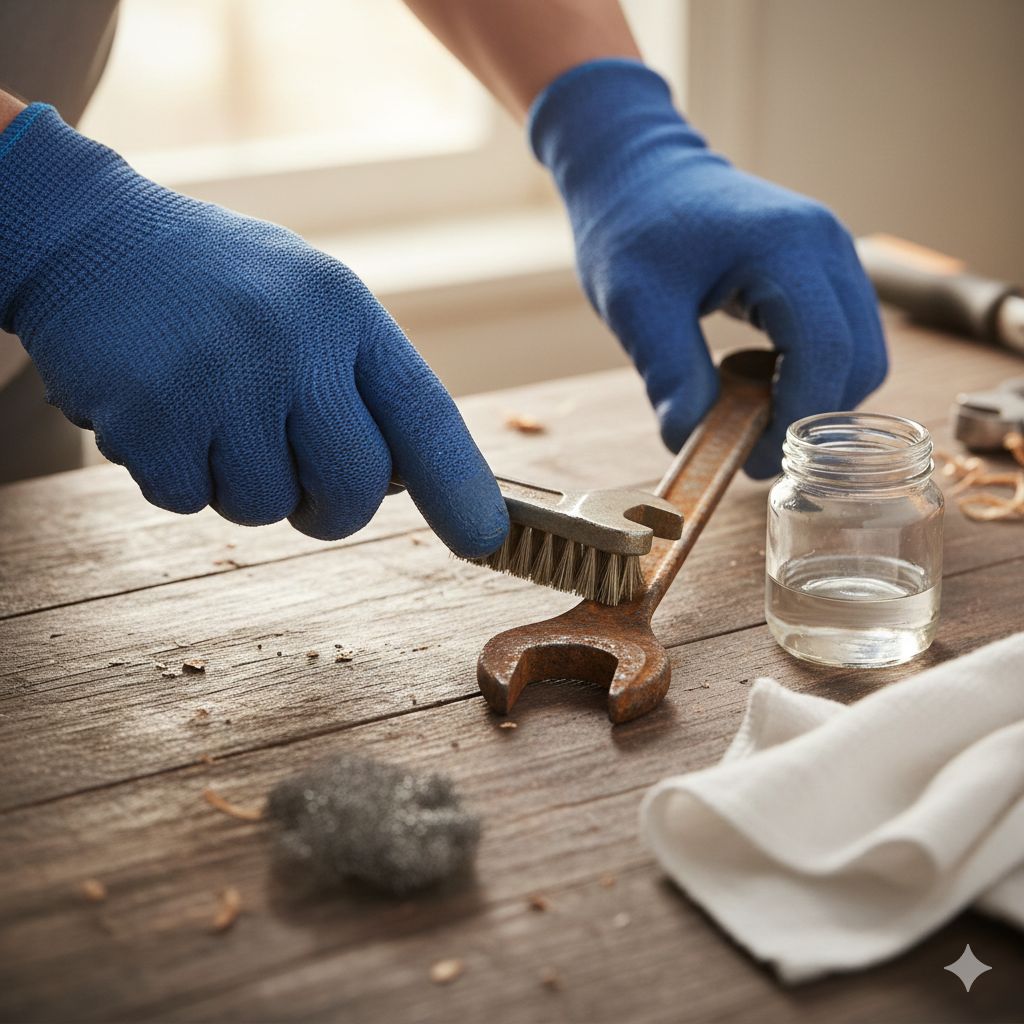

Rusty tools don’t just look bad, they become harder to use, less precise, and can even weaken over time. The good news? You don’t have to throw them away. With the right techniques, you can remove rust from tools and restore them to working condition using simple household items or affordable products.
In this guide, you’ll learn how to remove rust from tools step by step, including natural methods, heavy-duty solutions, and tips to stop rust from coming back.
Why Tools Rust in the First Place?
Rust forms when iron or steel reacts with moisture and oxygen, creating iron oxide. This process, known as corrosion, happens faster when tools are stored in humid areas like garages, sheds, or basements.
Common causes include:
- Leaving tools wet after use
- Storing tools in damp environments
- Exposure to rain or outdoor conditions
- Not applying protective oil after cleaning
Understanding this helps not only with removing rust from tools, but also preventing it in the future.
What You’ll Need Before You Start?
Depending on how severe the rust is, you may need:
Household rust removal options
- White vinegar
- Baking soda
- Lemon juice and salt
- Dish soap
Scrubbing tools
- Old toothbrush
- Steel wool
- Wire brush
- Sandpaper
Protection supplies
- Clean cloths
- Gloves
- Light machine oil or WD-40
How to Remove Rust from Tools Using Household Methods?
These are ideal for light to moderate rust and are safe for most hand tools.
1. Vinegar Soak Method (Best for Deep Rust)
White vinegar is one of the most effective natural solutions for removing rust from tools.
Steps:
- Place the rusty tool in a container.
- Pour enough white vinegar to fully submerge it.
- Let it soak for 6–24 hours depending on rust level.
- Scrub off loosened rust with a brush or steel wool.
- Rinse with water and dry immediately.
💡 Tip: Always dry tools completely to prevent flash rust.
2. Baking Soda Paste (For Light Rust)
This works well on small rust spots.
Steps:
- Mix baking soda with a little water to form a thick paste.
- Spread it over the rusty area.
- Let it sit for 1–2 hours.
- Scrub with a brush or steel wool.
- Rinse and dry thoroughly.
3. Lemon Juice and Salt Method
A good natural option for surface rust.
Steps:
- Sprinkle salt over the rust.
- Squeeze lemon juice over it.
- Let it sit for 2–3 hours.
- Scrub off rust and rinse clean.
How to Remove Heavy Rust from Tools?
For severe corrosion, you’ll need more mechanical or commercial methods.
4. Wire Brush or Steel Wool
This is one of the fastest ways to remove rust from tools manually.
- Scrub firmly but evenly
- Use fine steel wool for delicate surfaces
- Wipe debris frequently to check progress
5. Sandpaper Method
Great for flat surfaces like tool blades.
- Start with medium grit sandpaper
- Finish with fine grit for smoothness
- Wipe clean with a dry cloth
6. Commercial Rust Removers
Products like rust dissolvers can make removing rust from tools easier with less scrubbing.
How to use:
- Follow manufacturer instructions
- Soak or apply as directed
- Rinse and dry completely afterward
These are ideal for valuable or heavily corroded tools.
Step-by-Step: Best Overall Method
If you want one reliable process for most tools:
- Clean dirt and grease with soapy water
- Soak in vinegar for several hours
- Scrub with steel wool or brush
- Rinse and dry immediately
- Apply protective oil to prevent new rust
This method balances effectiveness and safety for most metal tools.
How to Prevent Rust from Coming Back?
After you remove rust from tools, prevention is key.
- Always dry tools after washing
- Store tools in a dry toolbox or cabinet
- Use silica gel or moisture absorbers in storage areas
- Wipe tools with light oil or WD-40 after cleaning
- Avoid leaving tools outdoors overnight
Prevention takes minutes but can save your tools for years.
Mistakes to Avoid When Removing Rust
- Not drying tools properly after rinsing
- Using overly coarse sandpaper on precision tools
- Skipping protective oil after rust removal
- Soaking wooden handles in liquids
Being careful protects both the tool’s function and lifespan.
When a Rusty Tool Can’t Be Saved?
Sometimes rust goes too deep. Replace the tool if you notice:
- Pitting that weakens metal
- Cracks or structural damage
- Severely corroded moving parts
Safety should always come first.
Final Thoughts
Learning how to remove rust from tools can save money, extend tool life, and keep your equipment working smoothly. Whether you use vinegar, baking soda, or a commercial rust remover, the key steps are loosen, scrub, dry, and protect.
With proper care and storage, you won’t just be removing rust from tools, you’ll be preventing it for good.
FAQs
Scrubbing with a wire brush or steel wool is the quickest for surface rust.
Yes, vinegar’s mild acid dissolves rust effectively, especially with soaking.
It helps loosen light rust and is excellent for preventing future corrosion.
Use gentle abrasives like fine steel wool and avoid aggressive grinding.

